
Mini Cameras Are Redefining the Language of Sports Broadcasting
In live sports production, the difference between watching and feeling the action often comes down to perspective.
For years, broadcasters have relied on long lenses, fixed rigs, and aerial coverage to bring audiences closer to the game. Today, a new generation of ultra-compact cameras is changing that, capturing the action from within, not just from the outside looking in.
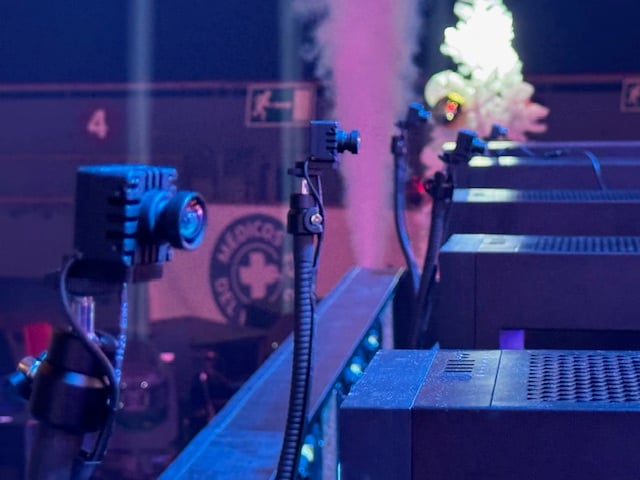
Miniaturization is not just a technical evolution; it is a creative enabler.
In sports like tennis, where intensity is defined by precision and timing, traditional camera setups can only go so far. Embedding miniature cameras directly into the environment – on net structures, near player zones, and other previously inaccessible positions or even body-worn where possible – opens up entirely new visual narratives.
These angles are not just different. They are immersive.
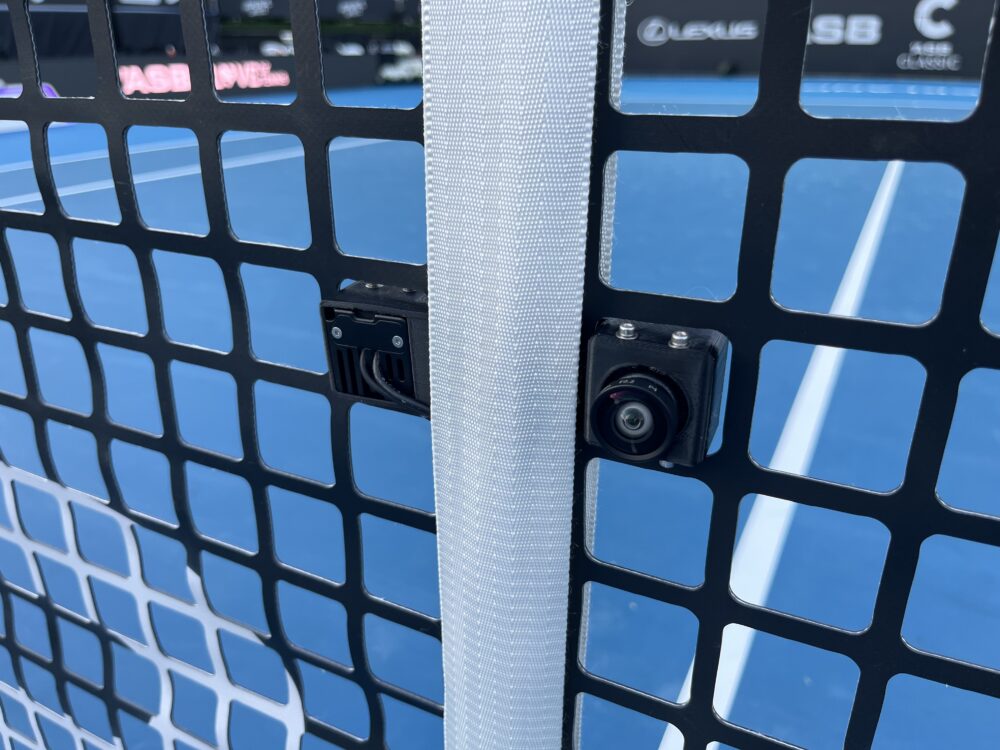
They reveal the speed of the ball at impact, the detail of movement, and the tension of key moments from a proximity that was previously impossible without disrupting play. The result is a more engaging viewing experience – one that draws audiences closer to the action and holds their attention for longer.
However, achieving this level of integration is not trivial. Cameras must meet strict constraints in size, weight, heat, latency, and image quality, all while remaining invisible to athletes and officials. Once deployed, they must also operate flawlessly under continuous live broadcast conditions.
At PROTON, this is where our focus lies; working closely with broadcasters and partners to deliver compact, production-ready camera systems that enable new viewpoints without adding complexity.
But capturing these perspectives is only half the story; to fully realise their value, these cameras must be seamlessly connected, controlled, and integrated into the live production workflow.
Making More Cameras Work – At Scale
Capturing new perspectives is only part of the challenge. In live production, those feeds must be delivered, controlled, and trusted as part of a seamless workflow.
As camera counts increase and positions become more embedded within the field of play, traditional infrastructure quickly reaches its limits. Fixed cabling is impractical, setup time is constrained, and every additional source introduces operational pressure.
To scale camera coverage effectively, production teams need a flexible and reliable way to connect and manage these feeds. Vislink provides this through a scalable, wireless production layer designed for live environments.

CLIQ transmitters deliver high-quality, low-latency video from compact and embedded camera positions, ensuring that even the most challenging viewpoints can be captured without compromise. MeshConnect extends connectivity across the production environment, creating a resilient, low-latency network that supports both video transport and device control in dynamic, RF-heavy conditions.
At the receive side, Quantum aggregates these feeds into the production workflow as fully integrated live sources, ready for switching, monitoring, and distribution alongside traditional camera systems.
Together, this enables production teams to deploy more cameras, in more locations, without slowing down operations or introducing risk. The result is a workflow where increased camera coverage translates directly into production value, supporting richer storytelling, greater creative flexibility, and a more engaging experience for the viewer.
See how it works: Vislink and Proton live at NAB 2026
More cameras only deliver value if they work seamlessly in production. At NAB 2026, Vislink will be demonstrating how CLIQ, MeshConnect and Quantum enable scalable, low-latency workflows for live sports, including Proton mini cameras.
Book a meeting with our team to see the full workflow in action – fill in our contact form here.